
A certificate of analysis, or COA, is the single most useful document a research laboratory receives with a peptide order. It is the evidence that the compound in the vial matches what the label claims. Yet COAs are dense, and it is easy to skim past the parts that matter. This guide walks through how to read one section by section so a research buyer can evaluate a compound with confidence.
What a COA actually is
A certificate of analysis is a laboratory report documenting the analytical testing performed on a specific production lot of a compound. It is not a marketing sheet and not a general product description. A meaningful COA is tied to one lot number, generated by an analytical laboratory, and reports measured results rather than target specifications alone. When a supplier publishes COAs openly, it signals that the testing is real and repeatable rather than aspirational.
Confirming identity
The first question any COA should answer is simply: is this the right molecule? Identity is usually confirmed by mass spectrometry, which measures the molecular weight of the compound and compares it against the theoretical weight for that peptide sequence. When the observed mass matches the expected mass, the report is confirming that the vial contains the intended peptide and not a different or mislabeled one.
On the report, look for the expected molecular weight, the observed (measured) molecular weight, and a statement that the two agree. A COA that omits identity testing entirely is documenting purity of an unverified substance — a meaningful gap.
Reading the purity figure
Purity is typically reported as a percentage derived from high-performance liquid chromatography (HPLC). The figure represents the proportion of the sample that is the target peptide, with the remainder being related impurities, residual synthesis byproducts, or solvents. A 99% purity result means the chromatogram is dominated by a single clean peak with only minor secondary peaks.
Two details separate a strong purity claim from a weak one. First, the number should be accompanied by the actual chromatogram or at least the method used to generate it. Second, the purity method and the identity method should appear on the same document for the same lot — purity without confirmed identity tells only half the story.
Understanding the analytical methods
The methods section is where a careful reader spends time. HPLC and mass spectrometry are the two workhorse techniques, and a credible COA names them explicitly along with the conditions used. The presence of named, standard analytical methods is what allows a second laboratory to understand — and in principle reproduce — the reported results.
Be cautious of reports that state a purity percentage with no method attached, or that reference testing performed on a different lot. Neither provides the traceability a research program needs to defend its own downstream data.
Matching the lot
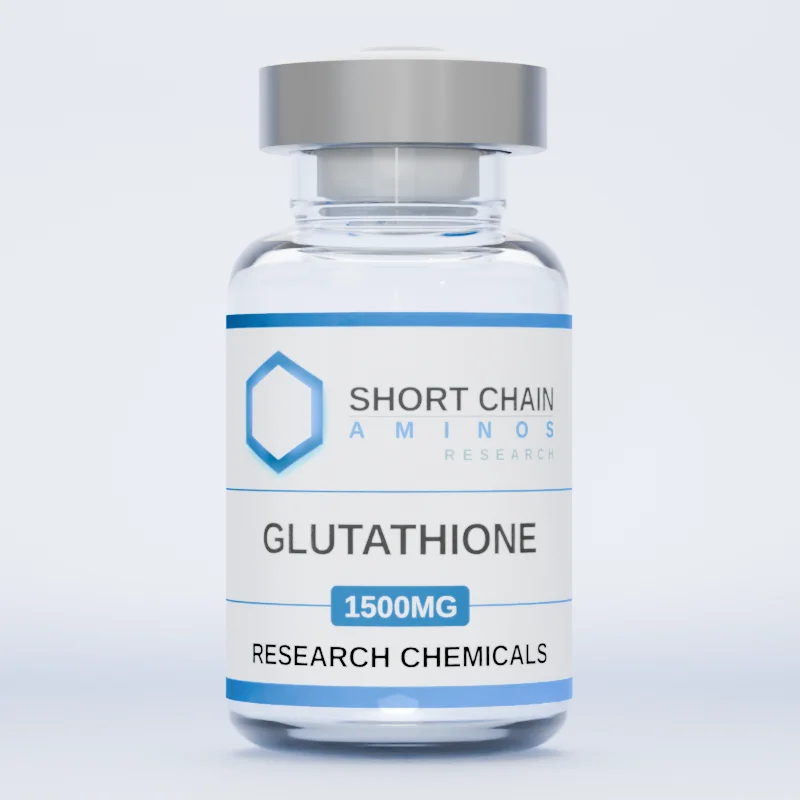
The lot number is the thread that ties everything together. The lot on the COA must match the lot printed on the vial received. This is the step most often skipped and the one that most directly protects the integrity of an experiment: a certificate is only evidence for the exact batch it describes. When the numbers match, the documentation chain is intact from synthesis to bench.
A quick verification checklist
| Check | What to confirm |
|---|---|
| Lot number | Matches the number on the physical vial |
| Identity | Observed mass agrees with expected molecular weight (MS) |
| Purity | HPLC percentage stated, with method or chromatogram |
| Methods | Analytical techniques named explicitly |
| Source | Report issued for that specific lot, not a generic sheet |
Running through these five checks takes only a minute and turns a COA from a formality into a genuine quality tool. ShortChain Aminos publishes certificates of analysis so that any research buyer can perform exactly this verification before a compound ever reaches the bench.