

Reliable science depends on reliable supply. A well-run laboratory plans its compound procurement the same way it plans reagents and consumables — with forecasting, lead-time awareness, and a vetted supplier. This guide outlines how research groups can keep projects on schedule and avoid the disruptions that come from running short at a critical moment.
Why supply planning matters
Research timelines are unforgiving. An assay that must run on a fixed schedule, an animal-model cohort that reaches a defined age window, or a multi-week experiment with sequential steps all assume that the required compound is on hand when needed. A gap in supply does not simply delay one order — it can invalidate an entire experimental arm that depended on consistent material from a single source.
Planning also protects consistency. Sourcing the same compound, at the same specification, from the same supplier across a project keeps lot-to-lot variability low, which is essential for comparable results.
There is a budgeting dimension as well. Compounds ordered reactively, in small emergency quantities, tend to cost more per unit and arrive on unpredictable timelines. A forecast-driven approach lets a lab take advantage of honest volume pricing while smoothing cash flow across a grant period or fiscal year.
What to expect when ordering
Ordering research compounds is not identical to buying office supplies. Each lot is typically synthesized and tested before release, documentation is prepared, and shipping is handled under conditions appropriate to the material. Building a realistic picture of that timeline — from order placement to documented delivery — is the foundation of good planning.
Reputable suppliers make this predictable by publishing clear product specifications and certificates of analysis, so a lab knows in advance exactly what each lot contains. Predictability at this stage is what allows a research group to commit to a downstream experimental schedule with confidence.
It also helps to understand how a supplier handles lot availability. Popular research compounds can move quickly, and knowing whether a given item is routinely restocked — rather than offered as a one-time batch — tells a lab whether it can depend on that source for a multi-order project.
Practical planning tips
A handful of habits separate laboratories that are never caught short from those that regularly scramble. None of them is complicated; they simply require treating procurement as part of experimental design rather than an afterthought.
Forecast realistic needs. Estimate consumption across the full arc of a project rather than ordering experiment-by-experiment. A short buffer prevents mid-study shortfalls.
Order ahead of the critical path. Place orders with enough lead time that synthesis, testing, and shipping all complete before the material is actually required at the bench.
Vet the supplier. Confirm that purity is independently verified and that certificates of analysis are available for the specific lots being purchased.
Plan appropriate storage. Ensure the laboratory has suitable, validated storage conditions ready before compounds arrive, so material integrity is maintained from the moment of delivery.
Allow for shipping variability. Build slack into the schedule for logistics, especially for time-sensitive project milestones.
Why supplier reputation matters
A supplier’s track record is a proxy for everything a purchase order cannot capture: consistency of purity, accuracy of documentation, and dependability of fulfillment. For long-running programs, a supplier that reliably delivers material to a stated specification, with lot COAs where available removes a major source of uncertainty from the research process.
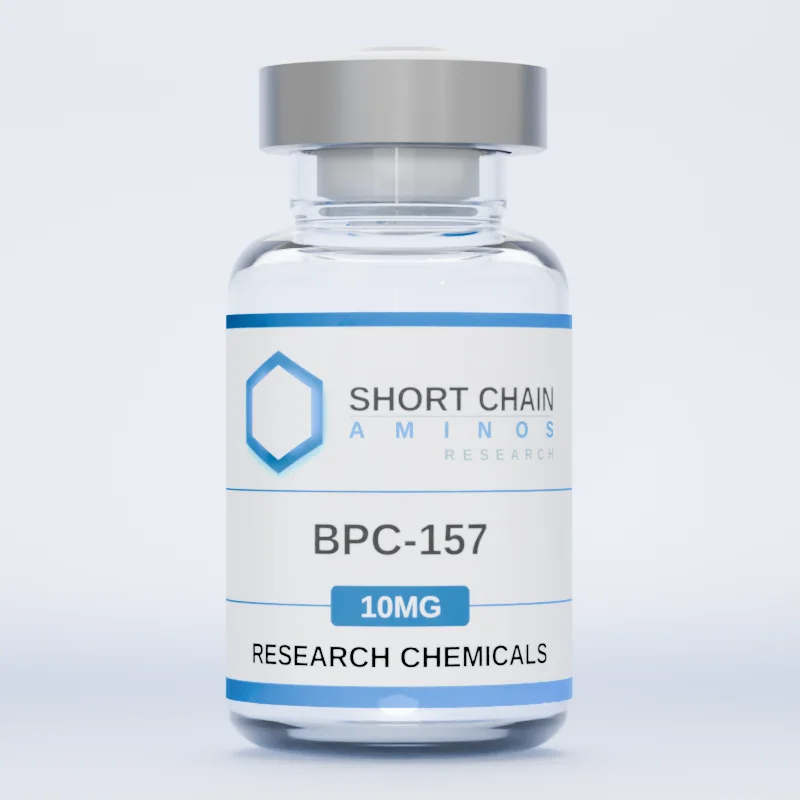
ShortChain Aminos supports research procurement with a catalog of best-selling compounds that are USA lab verified, third-party certified, and documented lot by lot. That consistency is what turns a one-off transaction into a supply relationship a research program can build around.
Getting started
The most reliable way to keep a project supplied is to standardize on a vetted source and order against a realistic forecast. Explore the best-sellers catalog to identify the compounds your program uses most, and build a procurement schedule around documented, verifiable material.
Done well, supply planning becomes invisible — the compounds are simply there when the protocol calls for them, tested and documented, and the research proceeds without interruption. That quiet reliability is the real goal of every procurement decision.